Twice a year the same question comes up: is it time to change yet? The best-known answer in Germany is “O bis O” – from October (Oktober) to Easter (Ostern) your car needs winter tyres, and summer tyres the rest of the year.
What the law actually requires
Germany has no winter tyre requirement by date. Instead, there is a situational requirement: on black ice, packed snow, slush, ice or frost you may only drive with suitable tyres.
- Tyres with the Alpine symbol (mountain with a snowflake) count as winter-capable.
- Tyres marked only M+S have no longer been sufficient since October 2024.
- Driving on summer tyres in wintry conditions can mean a fine from 60 euros and a penalty point. In the event of damage, your insurer may also reduce its payment.
Why temperature matters
Summer tyres are made for warm roads. Their rubber compound hardens in the cold and loses grip. As a rule of thumb, once temperatures stay below about 7 °C, winter or all-season tyres are the better choice – even without snow.
The best time to change
In autumn, many drivers want to change at the same time – at the latest when the first frost is forecast. If you book at the end of September or early October, you'll get the slot you want without waiting. In spring: after Easter, once night frosts are no longer expected.
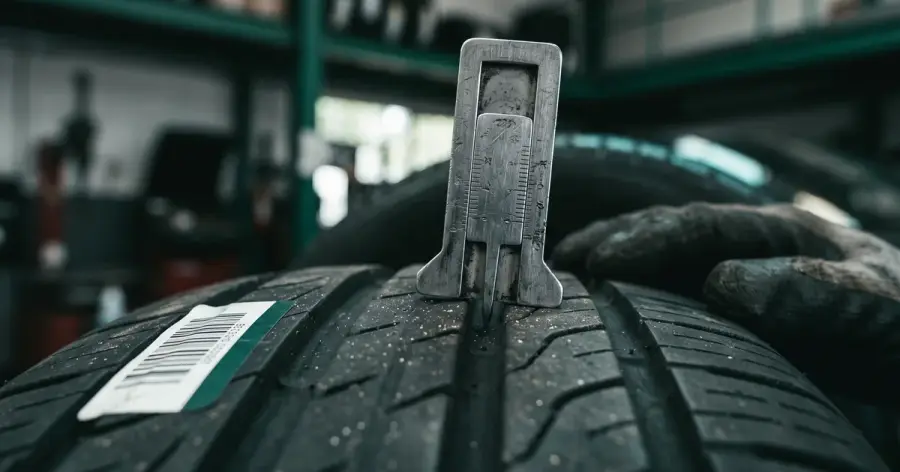
Tip: use the change to have tread depth and tyre age checked. That way you'll know early whether a new set is due.
In short
- Rule of thumb: winter tyres from October to Easter.
- Required: in wintry road conditions, only tyres with the Alpine symbol.
- Booking early saves waiting – online it takes two minutes.
Rein Reifen GmbH · Mönchengladbach